Solar panels have become a popular investment for homeowners and businesses seeking to harness renewable energy and reduce their electricity bills. However, the efficiency of solar panels can diminish over time due to dirt, dust, debris, and other environmental factors. Understanding how often to clean your solar panels is crucial for maximizing their performance and ensuring a good return on investment. In this blog, we will explore various factors that influence cleaning frequency, including location, weather conditions, and environmental factors, while providing a comprehensive guide to maintaining your solar panels.
The Importance of Cleaning Solar Panels
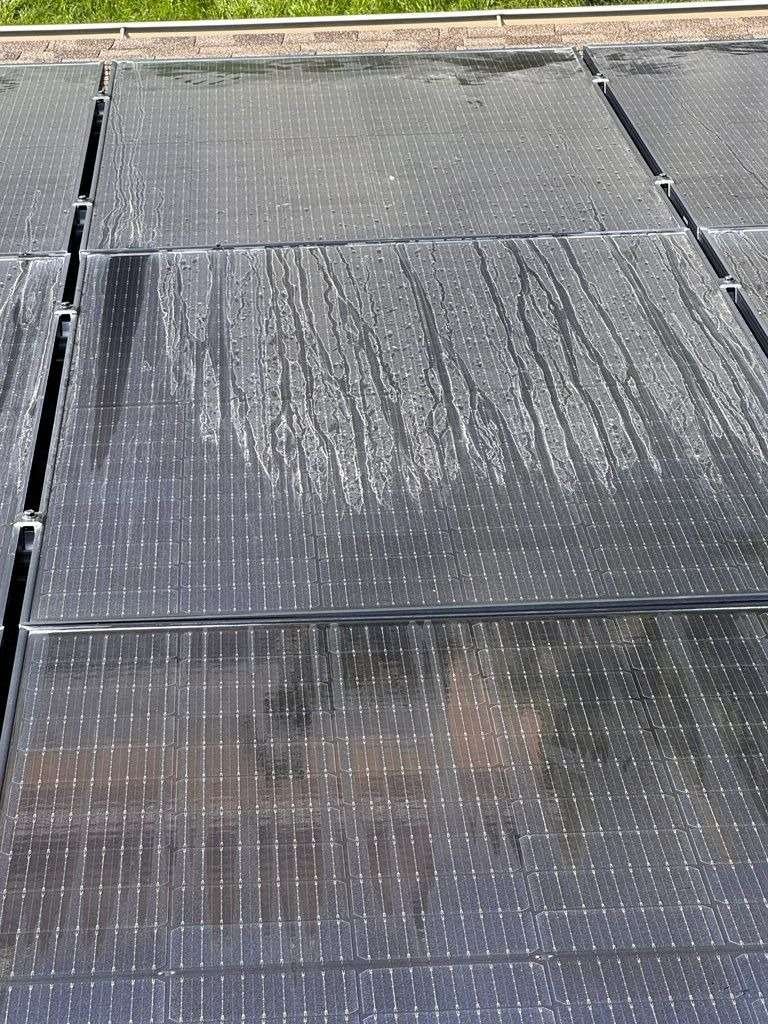
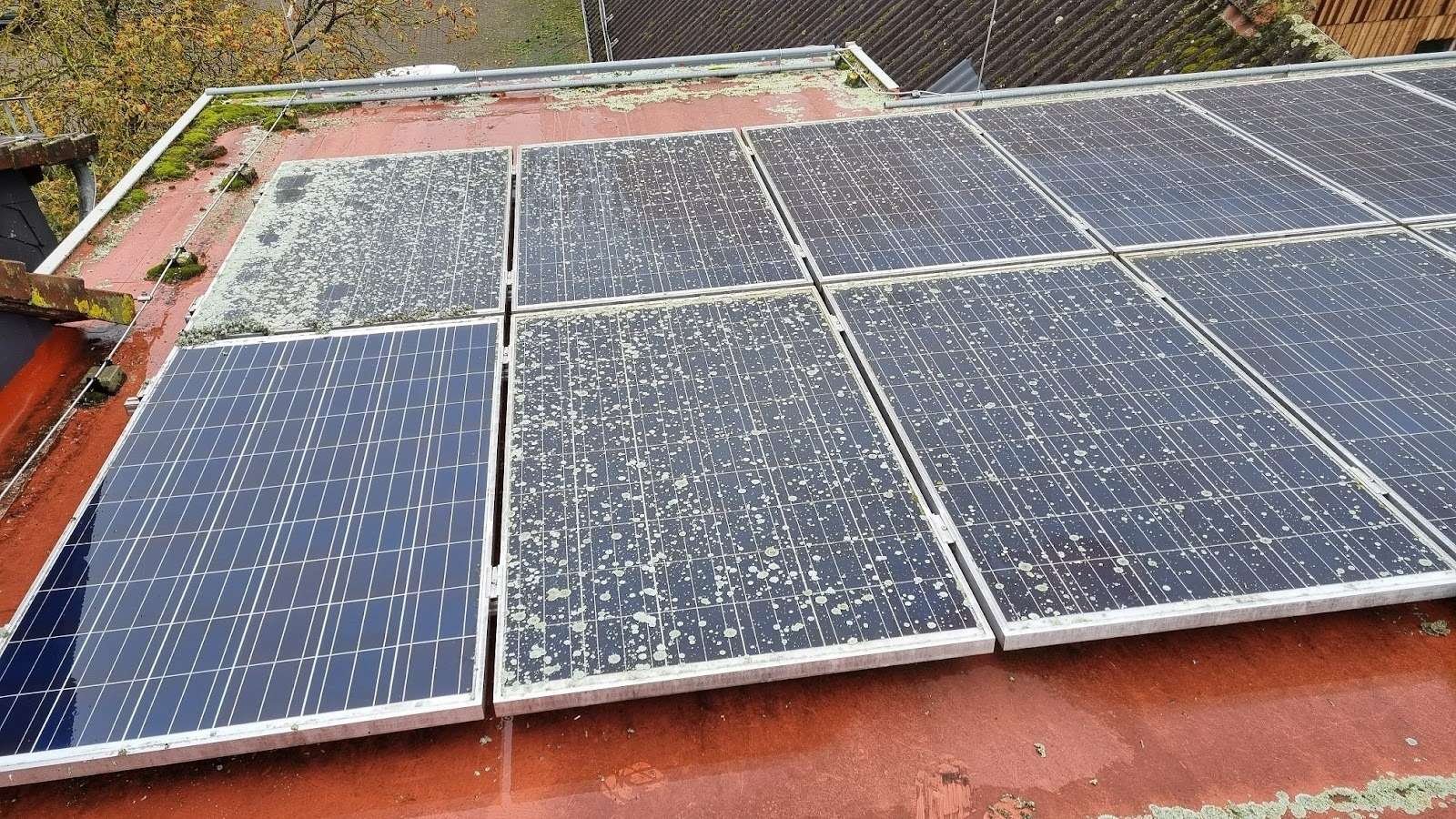
Cleaning solar panels is essential for maintaining their efficiency. Studies show that dirty solar panels can lose anywhere from 15% to 25% of their efficiency, resulting in significantly reduced energy production. Dust, pollen, bird droppings, and other debris can accumulate on the surface of solar panels, blocking sunlight and hindering the photovoltaic process that generates electricity.
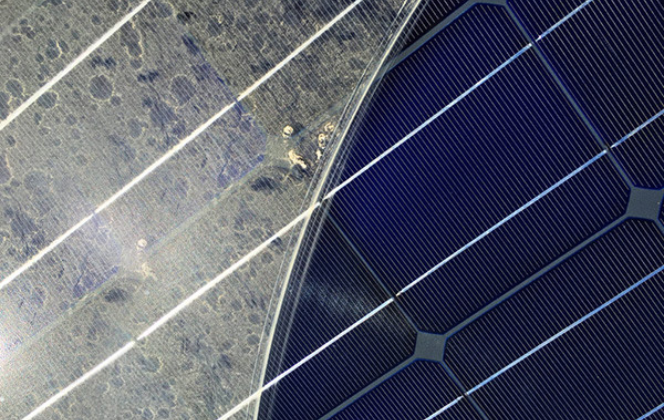
In addition to improving energy output, regular cleaning helps extend the lifespan of solar panels. Dirt and grime can create hotspots and lead to corrosion if left unaddressed, potentially causing permanent damage to the panels. Therefore, a proactive approach to cleaning is essential for ensuring optimal performance and longevity.
Factors Influencing Cleaning Frequency
The frequency at which solar panels should be cleaned depends on several key factors, including:
- Location: The geographical location of the solar panels can greatly impact how often they need cleaning. Areas with high dust levels, pollution, or specific environmental conditions may require more frequent cleaning.
- Weather Conditions: Weather plays a significant role in determining the cleanliness of solar panels. Rain can help wash away dirt, while dry and windy conditions can increase debris accumulation.
- Surrounding Environment: The environment around the solar panels can also influence cleaning frequency. Proximity to trees, bodies of water, or agricultural fields may increase the likelihood of debris accumulation.
- Panel Orientation and Type: The angle and type of solar panels can affect how easily dirt and debris accumulate. Panels installed at a steeper angle may shed dirt more effectively than those installed flat.
- Seasonal Changes: Seasonal variations can also impact how often panels should be cleaned. For example, areas that experience heavy pollen in the spring or snowfall in the winter may require different cleaning schedules.
General Guidelines for Cleaning Frequency
While specific cleaning needs may vary based on the factors mentioned above, here are some general guidelines for how often you should clean your solar panels:
1. Urban Environments
Frequency: Every 3 to 6 months or after heavy rain or dust storms.
Rationale: Urban areas tend to have higher pollution levels, which can lead to increased dirt and grime on solar panels. Additionally, dust and debris from construction sites can contribute to accumulation. Regular cleaning every six months helps maintain efficiency, but it’s also important to clean after significant dust storms or heavy rainfall to remove any residual debris.
2. Rural and Agricultural Areas
Frequency: Every 3 to 4 months during dry seasons, and every 6 months in wetter seasons.
Rationale: In rural areas, particularly those near agricultural fields, dust and debris can accumulate quickly, especially during dry periods. The presence of pollen from crops or other vegetation can also contribute to dirty panels. Cleaning every 3 to 4 months during the dry season ensures optimal energy production, while every 6 months during the wetter season helps keep the panels in good condition.
3. Coastal Regions
Frequency: Every 3 months or after storms.
Rationale: Coastal areas are subject to salt spray, sand, and other debris from the ocean, which can significantly affect solar panel efficiency. Regular cleaning every three months is essential to remove these contaminants and prevent potential corrosion or damage. Additionally, after storms or high winds, it’s important to inspect and clean the panels to maintain their performance.
4. High Altitude and Snowy Regions
Frequency: After heavy snowfall and every 6 months.
Rationale: In regions that experience significant snowfall, it’s crucial to remove snow from solar panels to ensure optimal performance. Heavy snow can completely block sunlight, leading to decreased energy production. After heavy snowfall, it’s advisable to clear the panels promptly. Additionally, scheduling a cleaning every six months will help ensure that any accumulated dirt or debris is addressed.
5. Areas with Frequent Dust Storms
Frequency: After each significant dust storm and every 3 to 6 months.
Rationale: In regions prone to dust storms, such as deserts, dust can accumulate quickly on solar panels. Cleaning should occur immediately following a significant dust storm to restore efficiency. A general maintenance cleaning every 3 to 6 months will also help keep the panels clear of any buildup.
Signs Your Solar Panels Need Cleaning
In addition to following a scheduled cleaning routine, homeowners should be vigilant for signs that their solar panels may need cleaning. Here are some indicators to watch for:
- Decreased Energy Production: If you notice a sudden drop in energy production compared to previous months, it may indicate that dirt or debris is obstructing the panels.
- Visible Dirt or Grime: If you can see a significant buildup of dirt, bird droppings, or other debris on the panels, it’s time for a cleaning.
- Performance Monitoring Alerts: Many solar panel systems come with monitoring tools that can alert you to performance drops. Pay attention to these notifications as they can help identify cleaning needs.
- Seasonal Changes: Be proactive during seasons when pollen, dust, or snow accumulation is likely. Schedule cleanings accordingly.
DIY vs. Professional Cleaning
When it comes to cleaning solar panels, homeowners often wonder whether to take a DIY approach or hire professionals. Here are some considerations for both options:
DIY Cleaning
Advantages:
- Cost-effective: Cleaning panels yourself can save money on professional services.
- Flexibility: You can clean your panels whenever it’s convenient for you.
Disadvantages:
- Safety Risks: Climbing on roofs or using ladders can pose safety risks, especially if you’re not experienced.
- Potential Damage: Using improper cleaning tools or harsh chemicals can damage solar panels.
- Ineffective Cleaning: Without the right tools and knowledge, you may not clean the panels thoroughly.
Professional Cleaning
Advantages:
- Expertise: Professional cleaners have experience and knowledge to clean solar panels effectively without causing damage.
- Safety: Professionals are trained to work at heights and follow safety protocols.
- Regular Maintenance: Many companies offer ongoing maintenance plans, ensuring that your panels are cleaned regularly.
Disadvantages:
- Cost: Professional cleaning services can be more expensive than DIY options.
Best Practices for Solar Panel Cleaning
If you choose to clean your solar panels yourself, keep these best practices in mind:
- Use the Right Equipment: Use soft brushes or squeegees designed for solar panel cleaning to avoid scratching the surface. Avoid abrasive materials.
- Use Pure Water: Rinse the panels using a pure water system to remove loose dirt. Either soft or distilled water is necessary, as regular water from your hose is going to add hard water spots on your panels, which could result in calcium buildup.
- Avoid Climbing on the Roof: If possible, use a long-handled cleaning tool to avoid climbing on the roof. If you must climb, ensure that you have proper safety equipment.
- Schedule Regular Professional Cleanings: Even if you clean your panels yourself, consider scheduling professional cleanings at least once a year.
Conclusion
Cleaning your solar panels is essential for maintaining their efficiency and maximizing energy production. The frequency of cleaning depends on various factors, including location, weather conditions, and surrounding environments. By following the guidelines provided in this blog and remaining vigilant for signs that your panels need cleaning, you can ensure optimal performance and longevity of your solar system.
For professional cleaning services and expert advice on maintaining your solar panels, visit Wash Me Solar. By investing in regular maintenance, you can enjoy the full benefits of your solar energy system for years to come.
FAQs
How often should I clean my solar panels? Cleaning frequency depends on your location and environmental factors. Generally, clean panels every 3 to 6 months, or when you notice a buildup of dirt and debris on your panels and/or a reduction in energy production.
What are the signs that my solar panels need cleaning? Signs include decreased energy production, visible dirt or grime, performance monitoring alerts, and seasonal changes affecting accumulation.
Can I clean my solar panels myself? Yes, you can, but use proper tools and follow safety protocols. Consider hiring professionals for thorough cleaning and maintenance.
Will rain clean my solar panels? Rain can help remove some dirt and debris, but it may not be sufficient for heavily soiled panels. It’s also imperative to clean hard water spots, which can form calcium deposits and cause damage to your panels. Regular cleaning is still necessary.