Salt Lake City is known for its breathtaking mountain views, four-season climate, and increasing adoption of clean energy. But with more homes going solar each year, there’s also a growing issue many homeowners don’t see coming until the damage is done: pigeons nesting under solar panels.
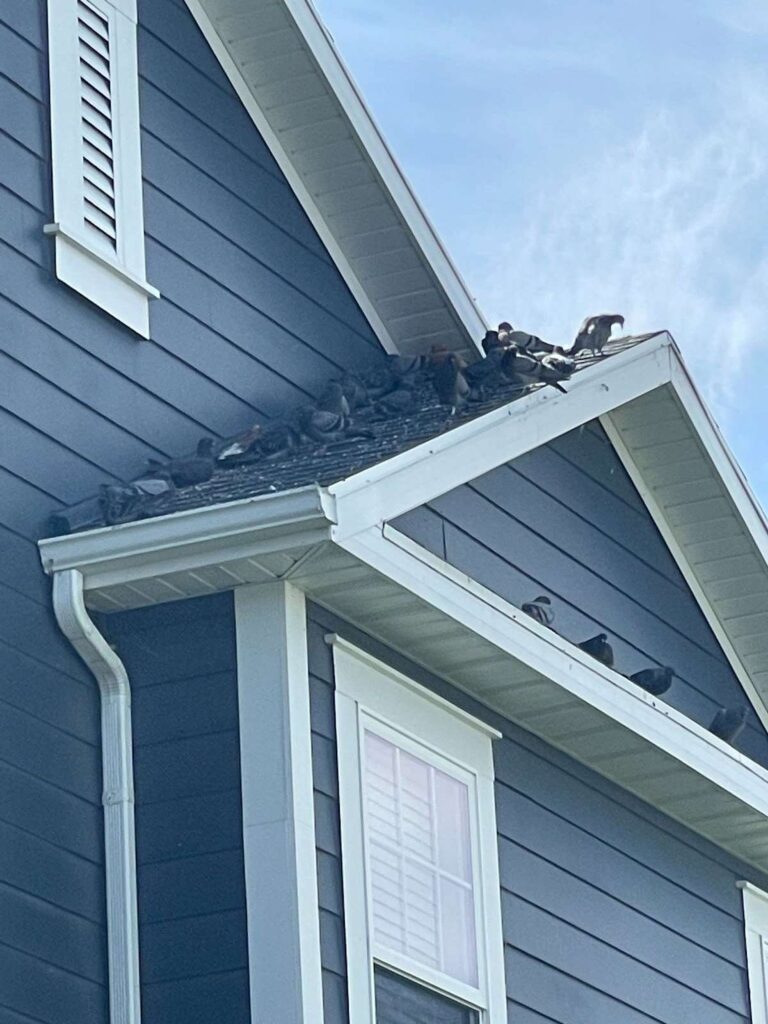
If you’ve noticed birds gathering around your roof, droppings near your gutters, or scratching sounds overhead, there’s a good chance pigeons have already found their way beneath your solar array. While they may seem harmless at first glance, pigeons are one of the most destructive and persistent pests affecting solar installations across the Salt Lake Valley.
This blog breaks down why pigeon infestations happen, the risks they pose, and how homeowners can effectively stop damage before it gets worse.
Solar panels offer exactly what pigeons look for when nesting:
Warmth: Heat trapped beneath panels creates a protected thermal zone.
Shelter: Panels act like a covered ledge, shielding pigeons from hawks, owls, and Utah’s snow-heavy winters.
Height Advantage: Being elevated keeps them safe from ground-based predators.
In other words, your solar panels are prime real estate.
Without intervention, pigeons quickly build nests made of twigs, insulation, trash, and debris. And once they’ve settled, they don’t leave easily.
Pigeons may look harmless at a distance, but when they nest under solar panels, the impact is more serious than most homeowners expect. Their nesting habits, waste accumulation, and constant scratching or pecking can lead to long-term system and property damage.
Pigeons often tug, peck, and pull at electrical wiring while gathering materials to build their nests. Solar wiring is thin, flexible, and insulated with materials birds can easily grip. When these wires become exposed or frayed, your system becomes vulnerable to:
Repairing wiring can be expensive, and if the damage spreads to panels or inverters, homeowners may face major replacement costs.
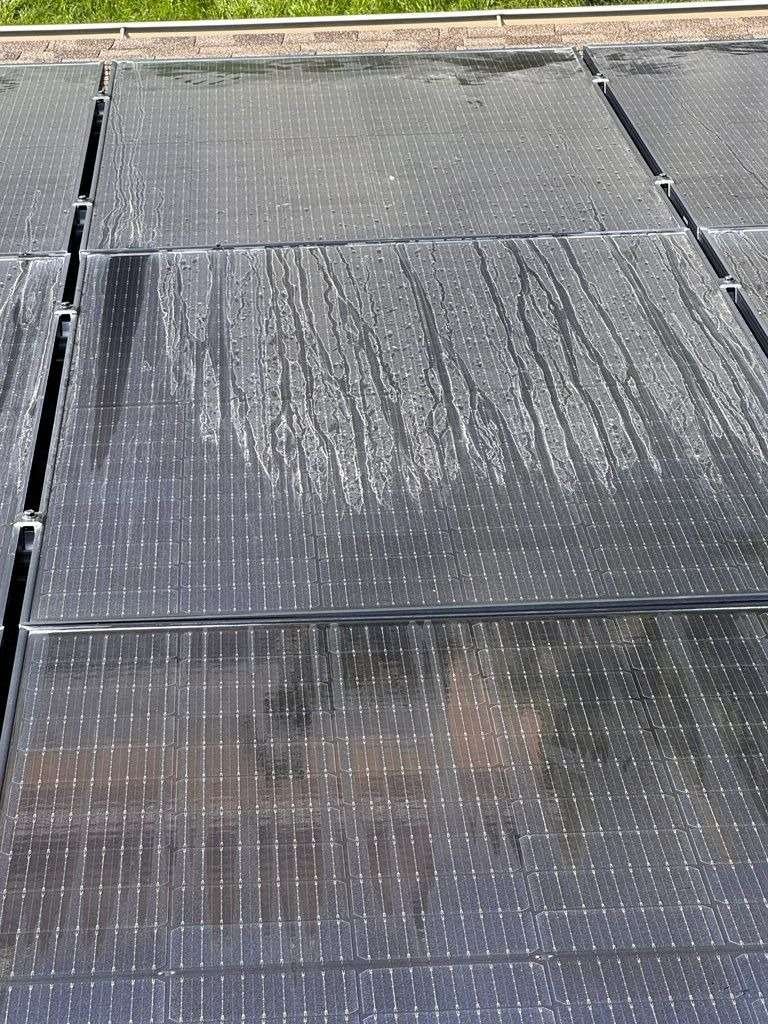
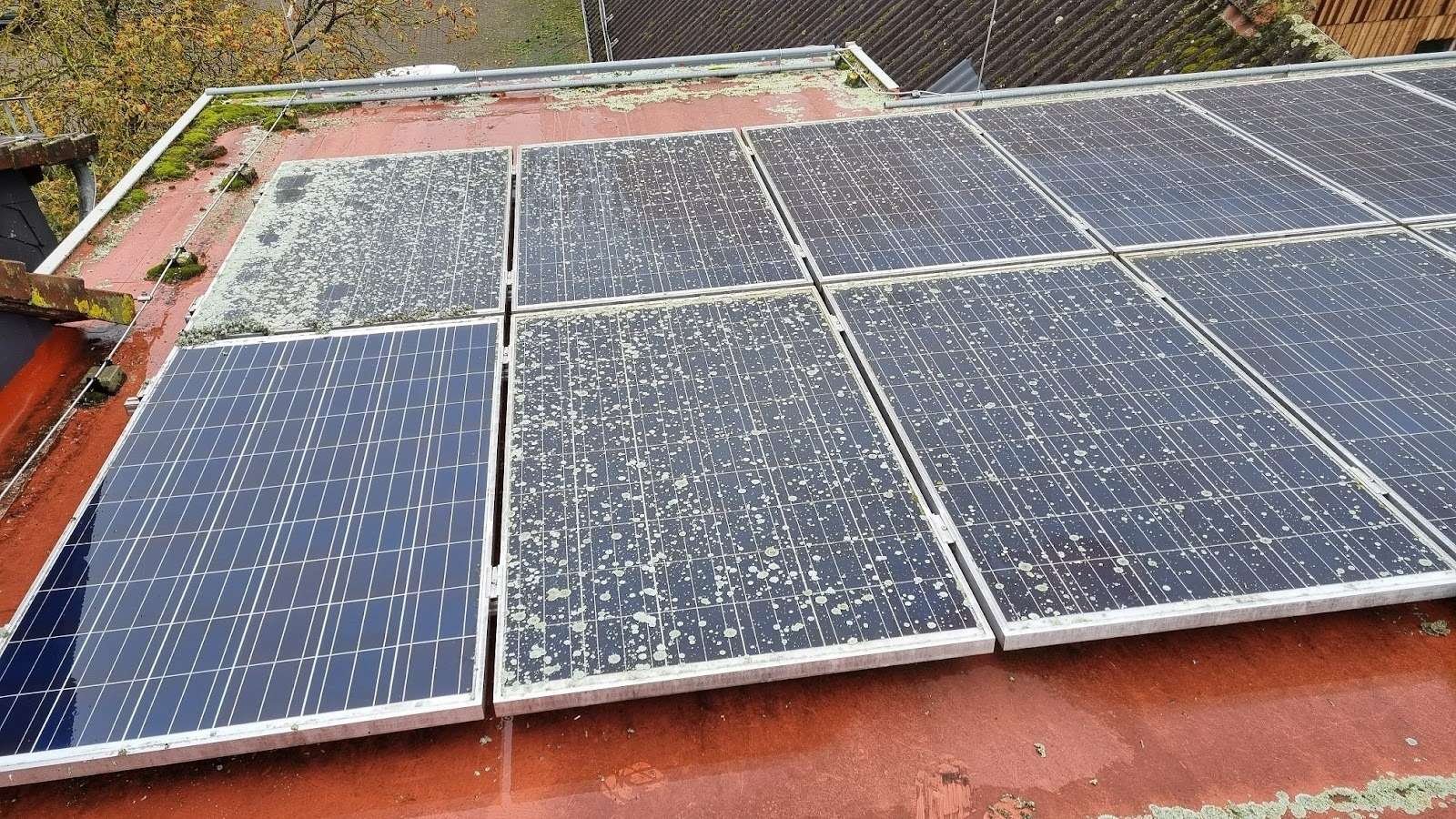
Bird droppings accumulate quickly on and around solar panels. Since panels rely on direct sunlight, even a thin layer of waste can obstruct light and reduce output. In severe cases, efficiency losses can reach 20 to 30 percent, especially during summer or peak daylight months. Large accumulations also require professional cleaning, adding ongoing maintenance costs.
Pigeon droppings are highly acidic. Over time, this acidity eats away at shingles, skylight flashing, gutters, panel mounting hardware, and metal roof features. Nesting materials also trap moisture, increasing the likelihood of wood rot and leaks. A seemingly small nest under one panel can eventually compromise the roof structure beneath it.
Did you know that pigeons carry more diseases than rats? Pigeons carry bacteria, fungi, and parasites that can spread through ventilation systems or accumulate in attic insulation. Diseases like histoplasmosis and salmonella are commonly associated with bird waste. Dried droppings can break down into dust particles that circulate in airflow, creating potential respiratory risks for families and pets.
Beyond physical damage, pigeons bring constant cooing, scratching, and rustling noises that can disturb sleep. Their nesting areas produce strong odors due to waste buildup, especially in warmer months. Once pigeons settle in, they attract other pests like mites, ticks, flies, and even rodents. The more established the colony, the harder and costlier it becomes to remove.
Salt Lake City’s climate trends are contributing to the issue:
| Local Factor | How It Helps Pigeons |
| Warmer winters | Birds survive year-round in higher numbers |
| Rapid solar adoption | More rooftops offering safe nesting zones |
| Expanding urban development | Fewer natural nesting areas, pushing pigeons onto homes |
Neighborhoods near restaurants, commercial rooftops, and open fields tend to see the fastest spread.
If you’ve seen pigeons around your neighbors’ homes, it’s often only a matter of time before they show up at yours.
Preventing access under solar panels is the key. This is where critter guards for solar panels come in.
These are protective barriers installed along the perimeter of the panel array. They block pigeons and small animals from getting underneath while allowing airflow so panels don’t overheat.
Once installed:
Homeowners sometimes try:
However:
A professional critter guard installation and pigeon exclusion ensures everything is done correctly using durable materials that don’t compromise system performance.
Even after nests are removed and guards installed, your system should be inspected regularly. Routine solar panel maintenance ensures:
Most homeowners schedule maintenance once or twice per year. We recommend twice a year in Utah, due to the dust in the summer and snow in the winter.
Solar panels are a long-term asset, but pigeons can undermine them quickly. Over time, infestations can lead to roof damage, wiring issues, and reduced output – costly problems that require Salt Lake City solar repair if left unaddressed.
Taking preventive action early is always cheaper than fixing damage later.

Pigeon infestations aren’t just annoying, they’re destructive. In Salt Lake City’s climate, solar panels offer ideal nesting zones, and pigeons rarely leave on their own. Installing critter guards and maintaining your panels is the most reliable way to protect your system.
If you’re seeing signs of pigeons on your roof, don’t wait for the damage to grow.
Contact Wash Me Solar today to schedule a pigeon inspection and get a customized critter guard solution designed for your home. Your solar system deserves long-term protection – and we’re here to help. Call or text us at 801-210-1387 and we’ll come out for a free pigeon assessment.