Winter brings beauty, but for homeowners with solar panels in snowy regions, it also brings hidden dangers. Avalanching snow and ice from rooftops can pose serious legal, financial, and safety risks if proper precautions aren’t taken. While most people think about shoveling driveways and sidewalks, the top of your house can be an overlooked liability, especially for roofs equipped with solar panels.
Installing roof snow guard installation systems is not just about protecting your panels – it’s a critical component of property protection and a responsible approach to winter safety. This blog explores why skipping snow guards could be costly, both in terms of damage and potential liability.
Why Snow Slides are Dangerous
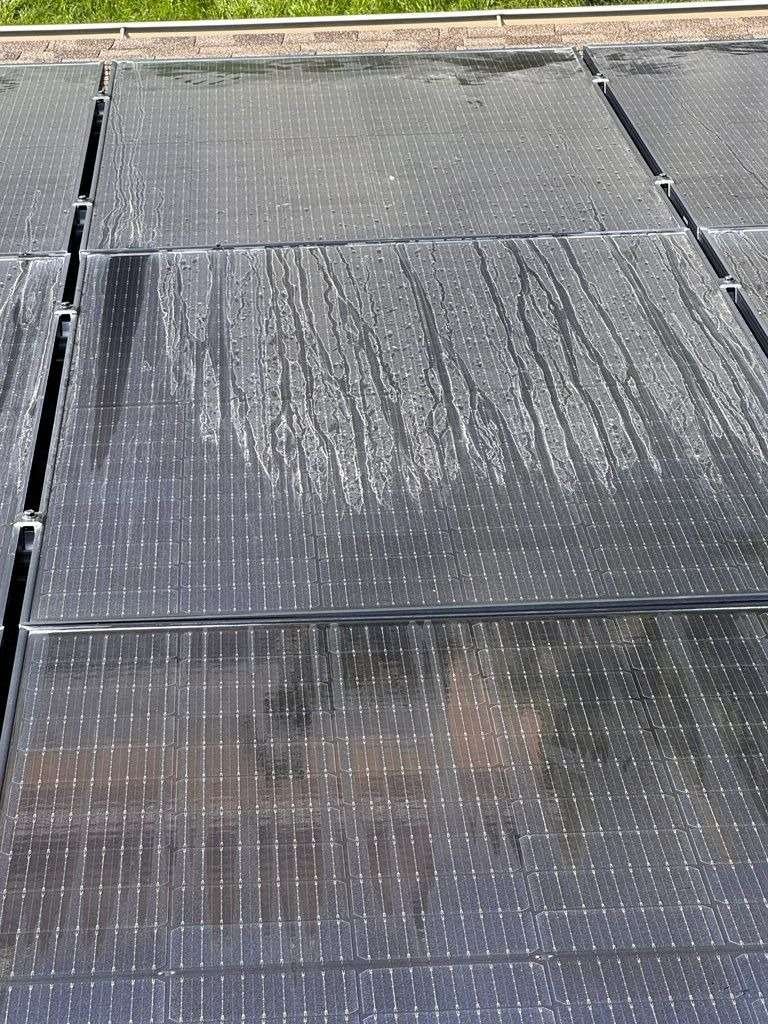
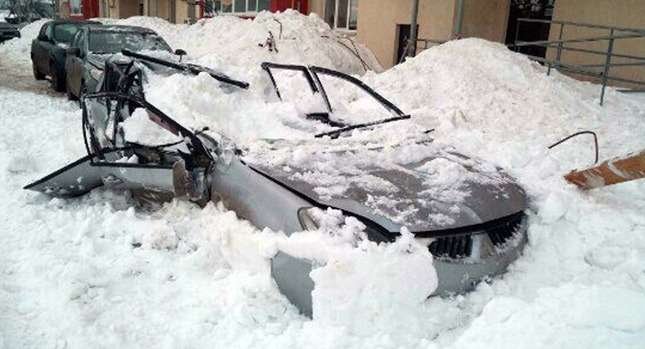
Solar panels create an unintended risk for snow accumulation and sliding. Panels absorb sunlight and heat faster than surrounding roof surfaces, which causes uneven melting. This can create a slick layer of ice underneath a blanket of snow. When gravity takes over, large sheets of snow and ice can suddenly avalanche off the roof, carrying significant weight.
The consequences can include:
- Damaged vehicles in driveways or parked below
- Crushed gutters, skylights, or patio furniture
- Injuries to children, pets, or visitors
- Roof racking or panel damage due to impact
Without a solar snow guard system, homeowners may face legal responsibility for injuries or property damage caused by falling snow and ice. In areas with pedestrian traffic or driveways underneath, skipping snow guards can expose you to lawsuits and insurance claims.
The Legal Risks of Ignoring Snow Guards
Many homeowners don’t realize that snowy rooftops aren’t just a physical hazard, they’re a potential legal liability. If a guest, delivery driver, or neighbor is injured by falling snow from your roof, you could be held liable for medical costs and damages. Similarly, if a neighbor’s vehicle is damaged by an avalanche from your solar panels, you may be financially responsible.
Installing roof snow guard installation systems is one of the simplest ways to mitigate these risks. These devices reduce the likelihood of sudden snow slides, breaking up large sheets into manageable sections that melt gradually. Courts and insurance providers increasingly expect homeowners with solar arrays to take proactive measures to reduce winter hazards.
Protecting Your Panels and Roof
Beyond legal and safety considerations, snow guards protect your solar investment. Panels are expensive, and damage from sliding snow or ice can lead to costly repairs. A properly installed snow guard system prevents sudden avalanches that could crack panels or loosen mounting hardware.
Regular solar panel maintenance also plays a role. Inspecting panels for loose mounts, damaged racking, or debris ensures that snow guard systems function as intended. A damaged or poorly installed guard can fail, leading to accidents and additional costs.
Common Problem Areas
Certain areas of a home are especially susceptible to snow-related accidents:
- Driveways and garage exits: Heavy snow avalanches can strike cars or people as they leave the garage.
- Patios and decks: Outdoor spaces under solar panels are high-risk zones for both family members and guests.
- Walkways and entrances: Snow sliding off roofs above entryways creates a liability for any pedestrian passing by.
In each case, a properly designed solar safety system ensures snow falls in controlled, safe amounts, rather than rushing off in dangerous avalanches.
How Snow Guards Work
Snow guards are a two-part system that act as physical barriers installed on solar panels to prevent snow from sliding freely. They consist of Snow Guards, which are small metal slats that are installed between your solar panels to break up the snow into smaller pieces, and a Snow Rail, which is installed at the bottom of your solar array to catch any snow that is about to fall off the panels.
Key benefits include:
- Reduced risk of injury or liability for people and pets
- Prevention of damage to property, vehicles, and outdoor structures
- Longer lifespan for your solar panels and roofing system
Installing a professionally designed snow guard system is a proactive step in property protection, helping homeowners avoid costly repairs and potential lawsuits.
Timing Your Installation
The best time to add snow guards is before the first snowfall of the season. Fall is ideal because installers can safely access your roof, and your system is fully prepared for winter. However, even mid-season installation is beneficial if snow avalanches are already posing a hazard.
Regular solar panel maintenance and inspections during installation ensure that panels, mounts, and guards are functioning optimally. Homeowners can also use this opportunity to clean debris, check racking, and replace any damaged panels before winter conditions worsen.
Don’t Risk Liability
Skipping snow guards is a hidden risk that many homeowners overlook until a costly accident occurs. Avalanching snow and ice from solar rooftops can result in property damage, personal injury, and significant legal and financial consequences. By investing in roof snow guard installation and maintaining your panels regularly, you protect both your family and your solar investment.
Snow guards aren’t just an added expense, they’re a necessary safety upgrade for any home with a steep roof or heavy snowfall. They ensure controlled snow movement, prevent damage, and reduce the risk of liability in areas with pedestrians, driveways, or outdoor living spaces below.Protect your home, panels, and loved ones this winter. Schedule a professional consultation with Wash Me Solar to explore your options for solar panel maintenance and installation of a reliable solar safety system today. Make sure your property stays safe while your solar investment continues producing efficiently