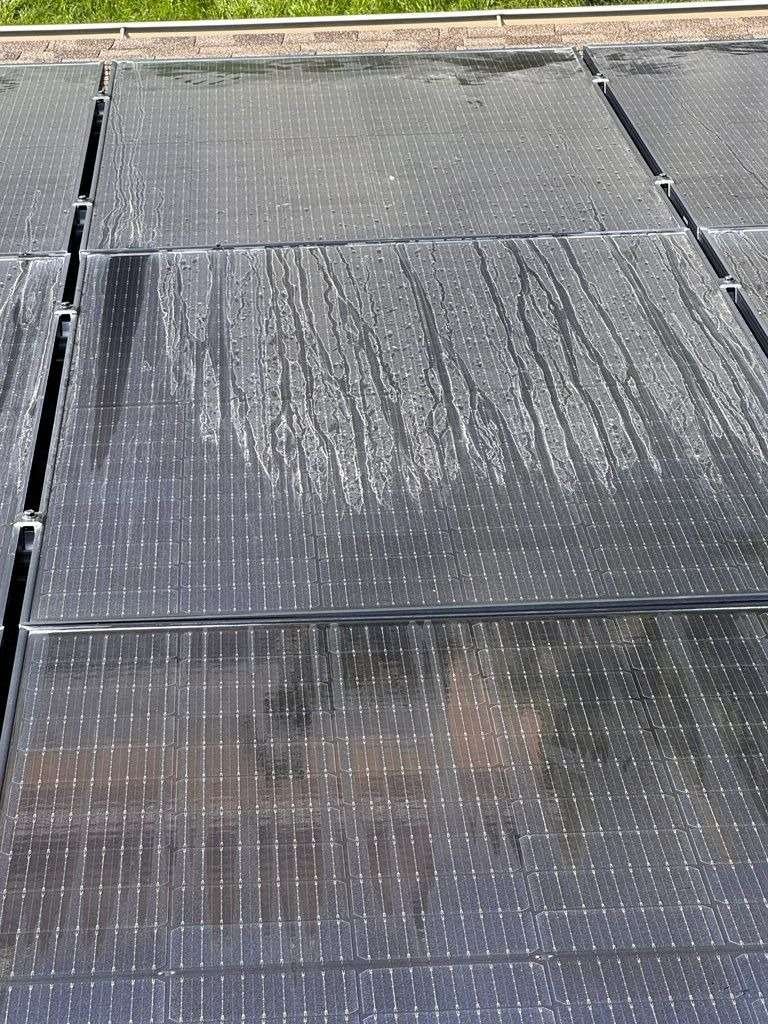
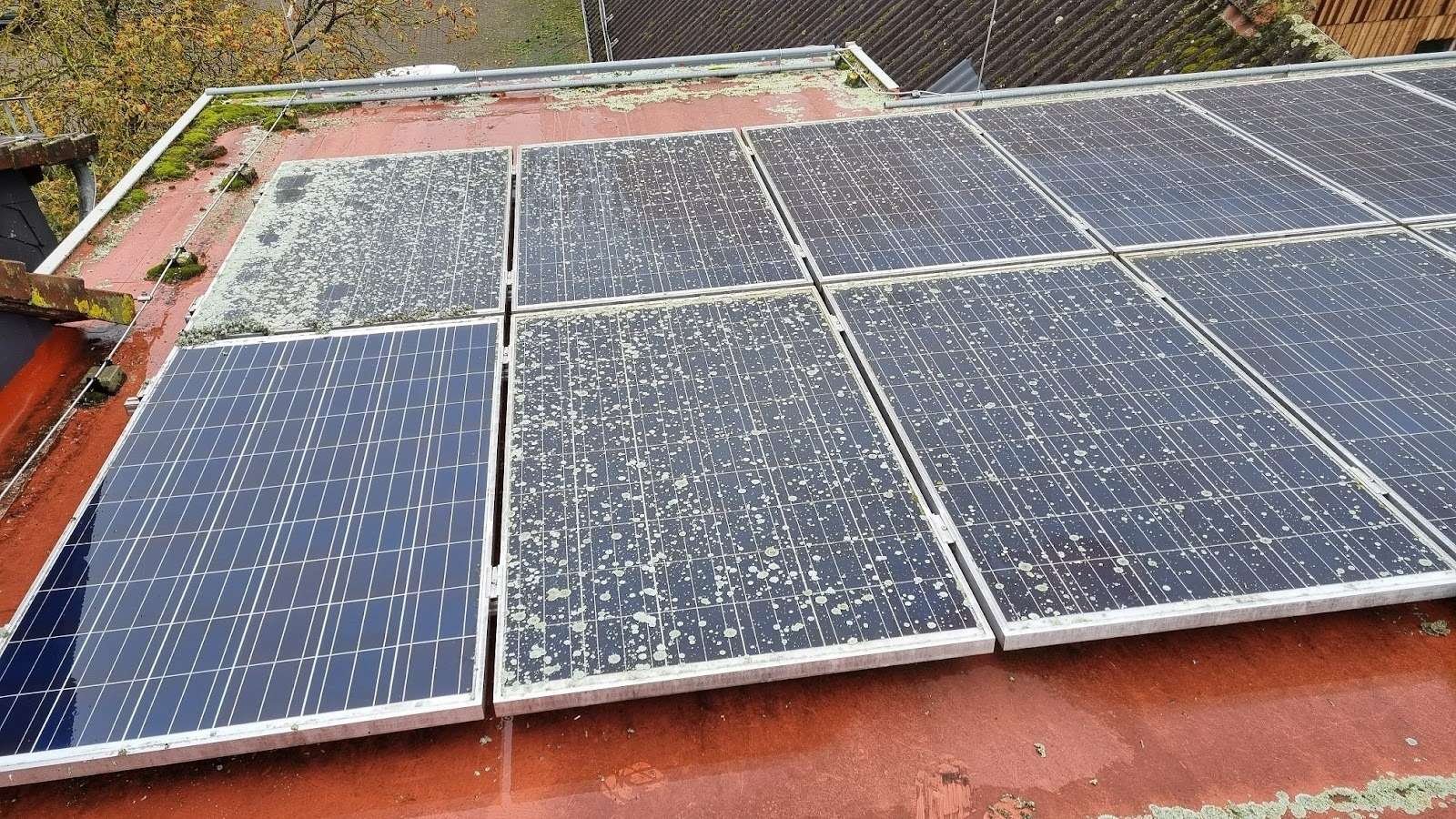
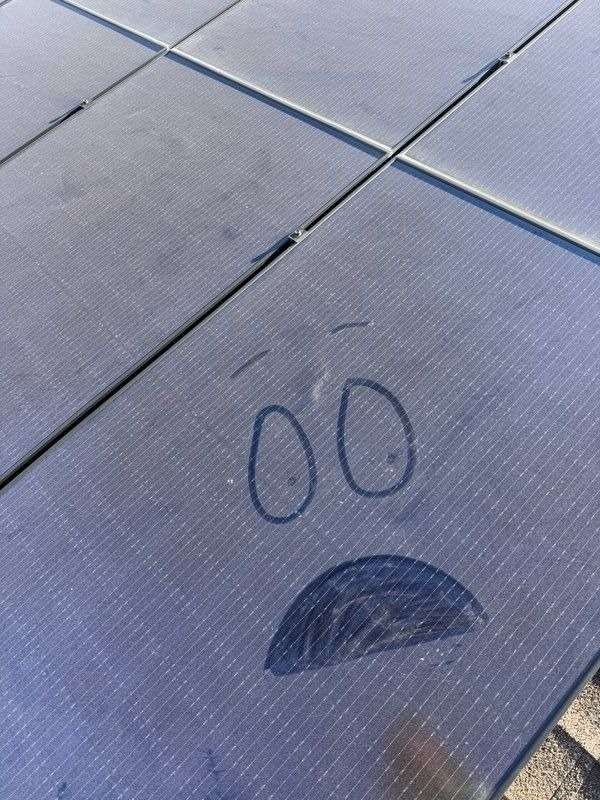
Keeping your solar panels clean isn’t just about appearances, it directly affects how much power your system can generate. Dirt, dust, pollen, bird droppings, and leaves can accumulate over time and significantly reduce your system’s energy output. In fact, studies have shown that heavily soiled panels can lose up to 25% of their efficiency. That’s why solar panel maintenance should be a non-negotiable part of your home care routine.
In this blog, we’ll break down the impact of dirt and debris on solar panel performance and share essential cleaning and maintenance tips to keep your system running at peak performance year-round.
Why Are Dirt and Debris a Big Deal?
You might not notice a thin layer of dust or a few fallen leaves, but your solar panels do. These seemingly small obstructions can have a big impact on your energy output and system longevity. Here’s how:
1. Reduced Light Absorption
Even a thin layer of dust can block sunlight from reaching your panels. Since solar energy relies on direct sun exposure, anything that interferes with that light translates to lost power. Over time, especially in dry and dusty climates, buildup can become severe.
2. Long-Term Wear
Accumulated debris traps moisture, accelerating corrosion or wear on your panels’ surfaces and mounts. Unchecked buildup can lead to long-term damage in humid regions or during rainy seasons.
3. Uneven Shading = Hot Spots
When only part of a panel is dirty, it can create hot spots: areas that heat up more than others due to imbalanced current. These hot spots not only lower efficiency but can permanently damage your panel cells.
4. Blocked Drainage
Leaves and grime can block water drainage paths on or around the panels, leading to pooling. This increases the risk of leaks, mold, and structural wear over time.
Seasonal Threats to Solar Cleanliness
Each season brings its own challenges when it comes to keeping panels clean:
- Spring: Pollen and bird droppings spike.
- Summer: Dust and dry wind create stubborn layers.
- Fall: Leaves, sap, and debris collect from nearby trees.
- Winter: Snow and ice melt carry grime, which can dry as a cloudy film.
Using critter guards and snow guards for solar panels helps mitigate many seasonal threats by preventing nesting and snow slides that stir up debris or damage wiring.
How to Keep Your Panels Clean?
Spring and fall – or anytime you notice your system is looking a little dirty – are the perfect times to give your panels some extra attention. With seasonal debris and pollen at their peak, regular cleaning ensures you get the most out of your solar investment.
1. Visual Inspection
Walk around your property and inspect your panels once a month. Look for visible buildup, pooling water, bird activity, or anything unusual on the surface.
2. Schedule a Professional Solar Panel Service
For best results, book a solar panel service at least once or twice a year. Professionals have the right tools and know-how to clean panels safely and thoroughly while also inspecting for minor issues that might need repair.
3. Trim Trees and Shrubs
Prevent falling leaves, sap, and shade by keeping nearby vegetation trimmed. This will reduce debris and also improve light exposure for better performance.
4. Install Critter Guards
Critter guards keep squirrels, birds, and other animals from nesting under your panels. Not only does this prevent wiring damage, but it also reduces the amount of debris they drag up there.
The Cost of Not Cleaning
Ignoring panel cleanliness could lead to significant losses. A report by the National Renewable Energy Laboratory (NREL) found that dirty solar panels can result in up to a 25% decrease in performance in dry and dusty environments.
Over the course of a year, that could add up to hundreds of dollars in lost energy savings, and possibly even more if neglected damage results in repair or replacement costs.
When to Clean More Often?
Certain homes may require more frequent cleanings:
- If you live near a construction site, farmland, or desert.
- If your panels are mounted flat or at a low angle.
- If your roof is shaded by trees.
- If you notice a consistent drop in energy production.
In these cases, increase inspections and cleanings to every 2–3 months.
Integrating Cleanliness Into Overall Maintenance
Think of cleanliness as part of a holistic solar care plan. Maintenance should include:
- Bi-annual professional inspections
- Routine visual checks
- Monitoring system performance via your solar app or inverter
- Ensuring the proper functionality of snow guards for solar panels
- Keeping critter guards secured and undamaged
Clean Panels Are Efficient Panels
Solar power is a long-term investment, and keeping your panels clean is one of the easiest and most effective ways to protect that investment. By scheduling regular cleanings, checking for damage, and investing in protective gear like critter guards, you’re not just boosting energy production—you’re extending the life of your entire solar energy system.
Trust Wash Me Solar for expert cleaning, inspection, and solar care. Book your solar panel service today and see how clean panels can power up your savings!