Solar panels are a long-term investment in clean energy and cost savings. However, their efficiency is directly affected by the condition and structure of the roof they are mounted on. Over time, roofs wear down due to weather, structural shifts, and natural aging, which can impact solar panel performance. If your roof is deteriorating or improperly positioned, reroofing may be necessary to maintain and even enhance your solar energy production.
A new roof can optimize solar panel efficiency by ensuring a stable, properly angled surface, reducing shading issues, and improving the overall lifespan of your solar system. In this blog, we’ll explore how reroofing can enhance solar panel performance, why professional solar system uninstall & reinstall services are essential, and how to plan for a seamless transition.
5 Ways Reroofing Enhances Solar Panel Performance
A strong and well-maintained roof is crucial for supporting a high-performing solar energy system. Over time, an aging or damaged roof can negatively impact solar panel efficiency, making reroofing a valuable investment. Let’s explore the advantages of reroofing or roof repair on your solar panel efficiency.
1. Provides a Stable and Durable Foundation
An old or damaged roof can compromise the security and longevity of your solar panels. Reroofing ensures your solar system has a strong foundation for years to come.
- Cracked or worn-out shingles may cause leaks, leading to potential water damage to the solar mounting system.
- A structurally sound roof prevents sagging or shifting that could misalign your panels, reducing their efficiency.
2. Optimizes Panel Positioning for Maximum Sun Exposure
A new roof provides an opportunity to reposition panels for better solar energy absorption.
- If your previous installation wasn’t optimized, professionals can adjust the tilt and orientation of the panels to capture more sunlight.
- Reroofing allows for adjustments to the roof’s pitch, potentially improving solar performance.
3. Reduces Shading and Obstructions
Shading from trees, chimneys, or neighboring structures can significantly impact solar panel efficiency.
- With roof repair or replacement, you can reposition panels to avoid shading and maximize energy generation.
- Removing obstacles such as old vent pipes or structural protrusions can help improve solar panel output.
4. Improves Roof Longevity and Reduces Maintenance Costs
Replacing an aging roof ensures that your solar panels won’t need to be removed prematurely due to roof failure.
- Older roofs require frequent solar panel maintenance, adding extra costs over time.
- A new, durable roof minimizes the risk of unexpected repairs that could disrupt solar performance.
5. Enhances Cooling and Energy Efficiency
New roofing materials can help regulate indoor temperatures, improving the efficiency of your entire home.
- Cool roofing technologies reflect more sunlight and reduce heat absorption, benefiting both your home and your solar system.
- A well-insulated roof helps maintain a stable environment, reducing energy demands and enhancing solar efficiency.
5 Key Steps in the Reroofing and Solar Panel Reinstallation Process
1. Assessing the Roof’s Condition
Before starting a reroofing project, it’s crucial to assess your roof’s condition and determine if replacement is necessary.
- A professional roofing inspection will identify weak points, leaks, or structural concerns.
- This assessment helps determine whether minor roof repair or a full replacement is needed.
2. Professional Solar System Uninstall & Reinstall Services
Since solar panels must be removed during reroofing, working with experts is essential.
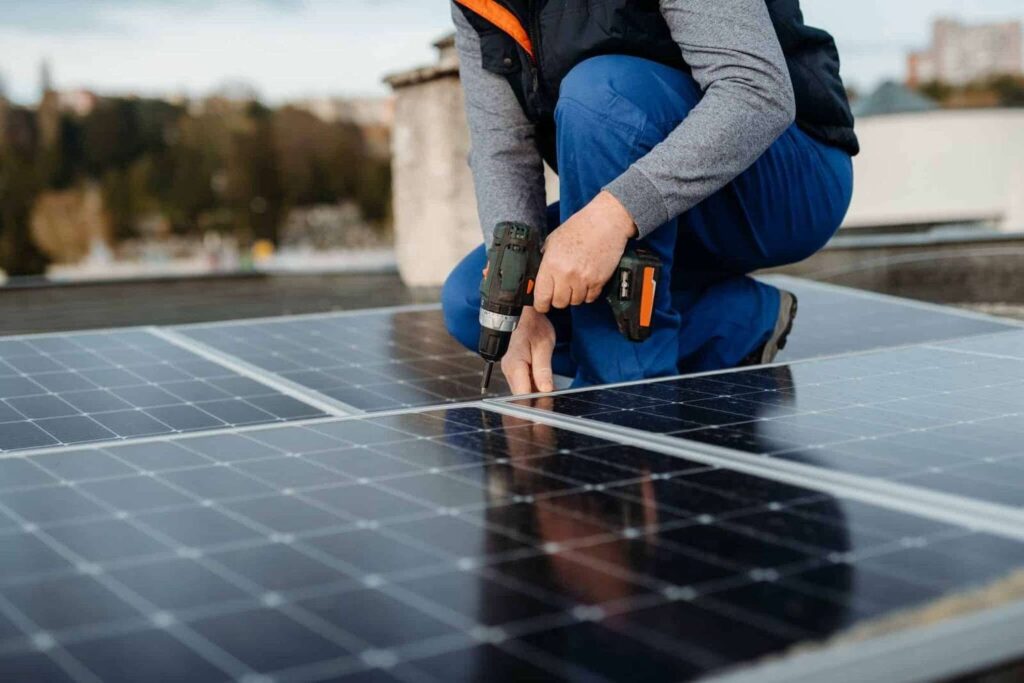
- Certified technicians will carefully uninstall and store your solar panels to prevent damage.
- They will inspect all electrical connections and mounting hardware before reinstalling the system.
3. Selecting the Right Roofing Material
Choosing durable, long-lasting roofing materials is crucial to maximizing the lifespan of your solar system.
- Options like metal, architectural shingles, and cool roofing materials enhance efficiency and durability.
- The right materials help reduce heat buildup, ensuring solar panels perform optimally.
4. Ensuring Proper Installation and Alignment
Once the new roof is in place, precise panel reinstallation is necessary.
- Professionals will ensure panels are aligned at the correct tilt and angle for maximum sunlight exposure.
- They will secure the mounting system to prevent future misalignment or structural issues.
5. Conducting Post-Reroofing Solar Panel Maintenance
After solar system uninstall & reinstall, a thorough maintenance check is essential.
- Inspecting wiring, inverters, and connectors ensures everything is functioning correctly.
- Cleaning panels after the installation process removes debris that could impact efficiency.
Preventing Future Roofing Issues to Maximize Solar Efficiency
1. Choose a High-Quality Roof Before Installing Solar Panels
Investing in a durable roof before installing solar panels prevents premature replacement.
- If your roof has fewer than 10-15 years of lifespan remaining, replacing it before going solar is ideal.
- Opt for roofing materials that complement solar technology, like reflective coatings or heat-resistant shingles.
2. Schedule Regular Roof and Solar Inspections
Routine maintenance helps prevent unexpected issues that can reduce solar efficiency.
- Annual solar panel maintenance checks can detect wear and tear before problems escalate.
- Roofing inspections ensure that structural integrity remains intact.
3. Ensure Proper Drainage and Ventilation
A well-maintained roof extends both its own lifespan and that of the solar system.
- Clear gutters and proper ventilation help prevent water damage and overheating.
- Properly positioned vents and airflow enhance solar panel cooling, improving energy output.
Reroofing as an Investment in Solar Efficiency
Upgrading your roof before or after installing solar panels is a crucial step toward maximizing efficiency, protecting your investment, and ensuring long-term energy savings. A new roof provides a stable foundation, enhances solar panel positioning, and reduces shading issues, all of which contribute to optimal energy production.
By investing in reroofing, you not only extend the lifespan of your home’s structure but also create an ideal environment for solar energy generation. Working with certified professionals for solar system uninstall & reinstall, as well as regular solar panel maintenance, ensures that your system continues to perform at its best.
Ensure a seamless transition with professional solar panel service! Contact Wash Me Solar today for expert removal, reinstallation, and maintenance solutions!